

Fire Ventilator
Product Overview
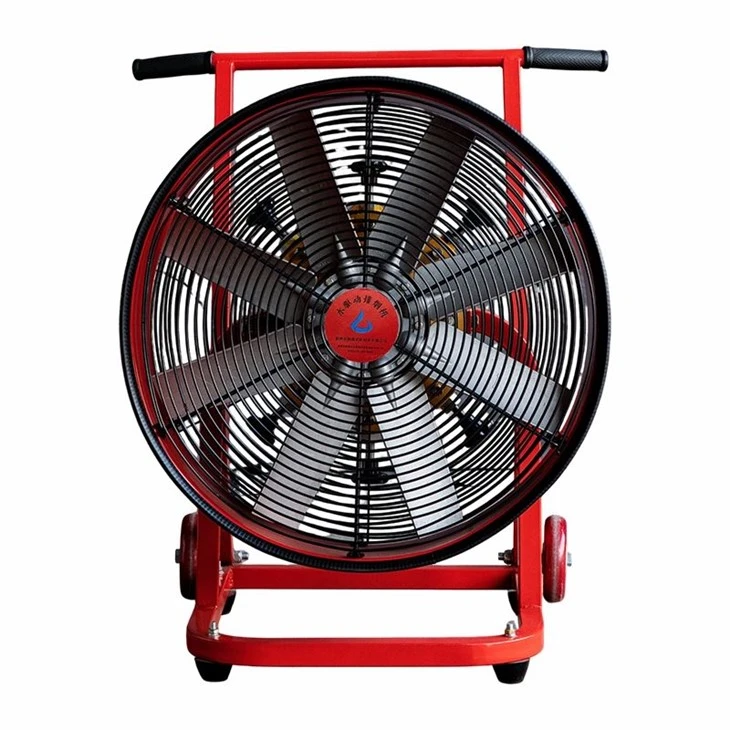
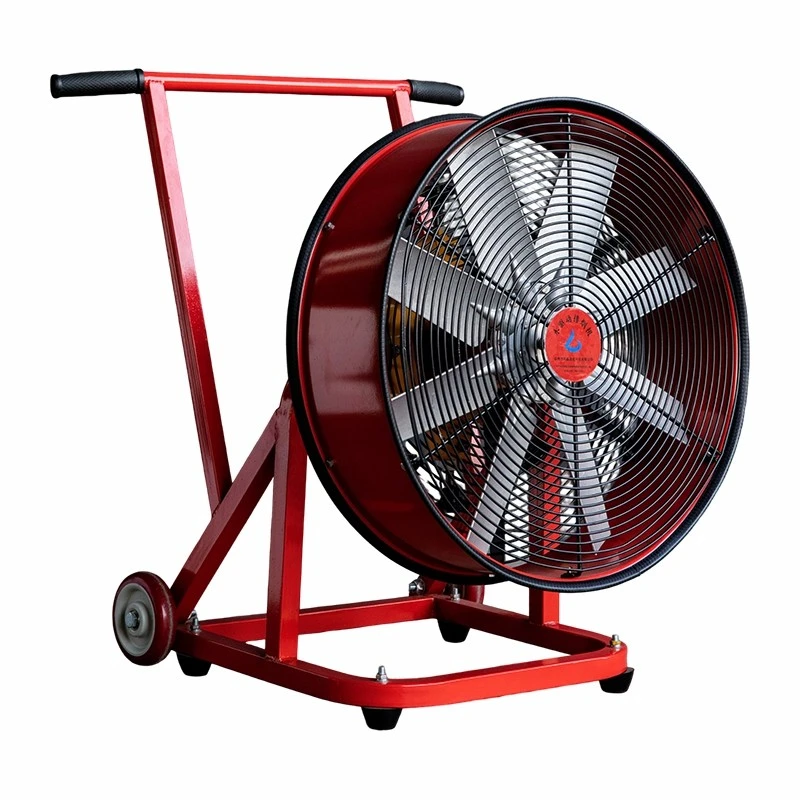
A fire ventilator—specified as a Smoke and Heat Exhaust Ventilator (SHEV)—automatically extracts toxic smoke, hot gases, and combustion particulates from industrial, commercial, and logistics buildings during a fire. By maintaining a clear floor-level visibility layer and reducing heat buildup, it protects structural steel and ensures safe egress. Units deploy via thermal links, electric actuators, or pneumatic cylinders, opening fully within 60 seconds. Designed to international life-safety codes, with downloadable CAD/BIM assets and sizing software for MEP engineering.


Working Principle & Materials Construction
System activation relies on fail-safe gravity drop or positive mechanical drive mechanisms triggered by thermal fuses or electrical telemetry. Upon release, torsion spring assists or pneumatic rams push the structural damper leaves past the 90-degree open threshold, locking mechanically to prevent wind-induced flutter.
Frame & Curb Construction
Extruded aluminum alloy (AlMg3) or hot-dip galvanized structural steel (Q235B / S275JR) with a minimum zinc coating thickness of 275 g/m², assembled via certified welding operations.
Thermal Break Integration
Polyamide thermal breaks isolate exterior sub-freezing temperatures from interior frame elements to eliminate internal condensation pooling during standard operations.
Flap & Blade Insulation
Core filled with 50mm non-combustible mineral wool insulation (Density: 120 kg/m³, melting point ≥1000∘C), faced with galvanized steel or embossed aluminum sheet.
Gasket Systems
EPDM or silicone perimeter seals rated for continuous operational temperatures from −40∘C to +200∘C, ensuring airtight closure during standard HVAC modes.
Dual-Function Capability: Integrates daily comfort ventilation with certified emergency smoke extraction within a single roof penetration footprint.
High Aerodynamic Efficiency: Optimized throat geometry achieves high discharge coefficients verified through accredited wind tunnel testing, reducing the required total roof penetration area.
Fail-Safe Mechanical Lock: Positive locking latches prevent accidental opening under high internal negative pressure or exterior wind suction.
High Snow & Wind Load Resilience: Certified to withstand heavy snow loads up to 1000 N/m² and negative wind loads up to 1500 N/m².
High-bay logistics distribution centers and high-rack automated warehouses.
Heavy manufacturing plants and steel production facilities.
Commercial aviation hangars and assembly facilities.
Shopping mall central atriums and enclosed transit terminals.
Technical Specifications
|
Parameter |
Specification Standard |
|
Standard Dimensions |
Width: 1000mm – 3000mm; Length: 1000mm – 3000mm (Custom curb mounts available) |
|
Operating Temperature |
300∘C for 120 minutes (F300) or 400∘C for 120 minutes (F400) |
|
Actuation Options |
24VDC electric motor, 230VAC electric motor, Pneumatic cylinder |
|
Aerodynamic Coefficient |
Discharge coefficient range from 0.61 to 0.78 (Third-party laboratory tested) |
|
Corrosion Protection |
Mill finish aluminum, Polyester powder coating (80 micrometer dry film thickness), or Stainless Steel |
|
Electrical Ingress Rating |
IP55 to IP65 actuator drive assemblies |
|
Compliance Standards |
CE Certified, compliant with standardized life-safety codes and quality management standards |
Manufacturing & Quality Control
Production processes utilize automated CNC fiber laser cutting systems for aluminum and steel sheets, coupled with CNC press brakes ensuring dimensional tolerances within ±0.5mm for weather-seal interfaces.
Cycling Durability Testing
Every actuator linkage and pivot hinge undergoes an automated mechanical endurance test of 10,000 open-close cycles on factory test benches prior to assembly clearance.
Thermal Chamber Evaluation
Batch samples undergo verified fire-test evaluations in a temperature-controlled chamber reaching 400∘C to measure operational latency under thermal expansion stress.
Leakage & Watertightness Inspection
Finished units are subjected to static water spray testing and pressure differential testing to verify high-class air permeability compliance.
Customization & OEM Capabilities
Curb Adaptations
Custom transition upstand bases engineered to match existing concrete roof curbs or standing seam metal roof profiles based on project CAD drawings.
Finish Matching
RAL color powder coating matched to building exterior architectural specifications.
Control Integration
Pre-wired junction boxes configured for direct interface with industrial communication protocols or hardwired local fire alarm loops.
Security Add-ons
Optional burglar protection security bars installed beneath the throat damper without compromising aerodynamic free area.
FAQ
As one of the most professional fire ventilator manufacturers in China, we warmly welcome you to buy bulk high quality fire ventilator made in China here from our factory. Good service and low price are available.