

Transporting a portable fire water pump requires careful planning and execution to ensure its safe arrival at the destination. As a supplier of Portable Fire Water Pumps, I understand the importance of proper transportation to maintain the pump's functionality and integrity. In this blog, I will share some essential tips on how to transport a portable fire water pump effectively.
Pre - transport Preparation
Before transporting the portable fire water pump, it is crucial to conduct a thorough inspection. Check the pump for any visible damage, loose parts, or leaks. Ensure that all components, such as the engine, impeller, and hoses, are in good working condition. Tighten any loose bolts or connections to prevent them from coming apart during transit.
Drain all the fuel and water from the pump. Fuel can be a hazard during transportation, and water left in the pump can freeze in cold weather, causing damage to the internal components. If the pump has a battery, remove it and store it separately. This helps prevent short - circuits and potential damage to the battery.
Clean the pump thoroughly to remove any dirt, debris, or contaminants. A clean pump is less likely to have issues during transportation and is also easier to handle. Use a mild detergent and a soft brush to clean the exterior, and make sure to dry it completely.

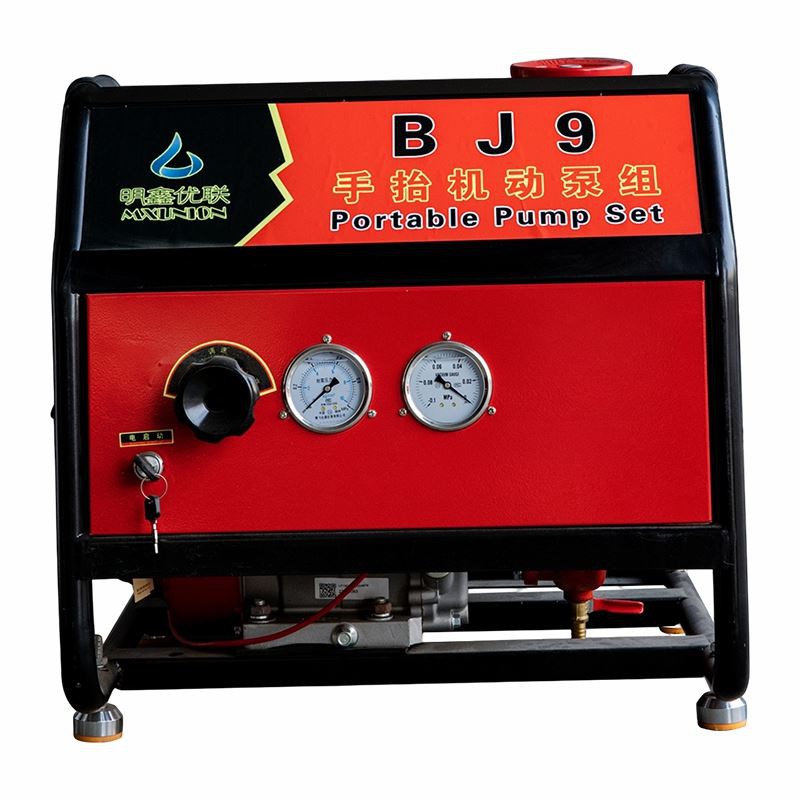
Packaging
Proper packaging is essential to protect the portable fire water pump during transportation. First, wrap the pump in a protective material, such as bubble wrap or foam padding. This helps absorb shocks and vibrations during transit. Pay special attention to the more delicate parts, like the engine and control panel.
Place the wrapped pump in a sturdy box. The box should be large enough to accommodate the pump with some extra space for additional padding. Fill the remaining space in the box with packing peanuts or crumpled paper to prevent the pump from moving around inside the box.
If possible, use custom - made packaging for the pump. These are designed to fit the pump precisely, providing better protection. Some suppliers offer packaging services for their products, which can be a convenient option.
Choosing the Right Transportation Method
The choice of transportation method depends on several factors, such as the distance, the size and weight of the pump, and the urgency of delivery.
For short - distance transportation, a pickup truck or a van can be a suitable option. Make sure to secure the pump in the vehicle to prevent it from shifting during transit. Use straps or ropes to tie the pump down firmly. Place a non - slip mat under the pump to prevent it from sliding.
If the pump needs to be transported over a long distance, shipping by freight may be the best choice. When shipping by freight, choose a reliable carrier with experience in transporting heavy and fragile equipment. Provide the carrier with detailed information about the pump, including its weight, dimensions, and any special handling requirements.
Air freight is a faster option for long - distance transportation, but it can be more expensive. It is suitable for urgent deliveries or when transporting the pump overseas. However, make sure to comply with all the airline's regulations regarding the transportation of hazardous materials, as some components of the pump, such as fuel, may be considered hazardous.
Labeling and Documentation
Label the package clearly with the words "Portable Fire Water Pump" and include any handling instructions, such as "Fragile" or "This Side Up." This helps the transportation personnel handle the package correctly.
Prepare all the necessary documentation, including the bill of lading, packing list, and any customs documents if the pump is being shipped internationally. The bill of lading is a legal document that serves as a receipt for the goods and a contract of carriage. The packing list details the contents of the package, which is useful for customs clearance and inventory purposes.
During Transportation
If you are transporting the pump in your own vehicle, drive carefully and avoid sudden stops or sharp turns. These can cause the pump to shift and potentially get damaged. Check the pump's securing straps periodically to ensure they are still tight.
When shipping by freight, track the shipment to monitor its progress. Most carriers provide online tracking services that allow you to see the location of the package at any time. If there are any delays or issues, contact the carrier immediately to resolve them.
Arrival and Unloading
Upon arrival at the destination, inspect the package for any signs of damage. If there is visible damage, document it with photos and report it to the carrier immediately.
Carefully unload the pump from the vehicle or the shipping container. Follow the handling instructions on the package to avoid any damage during unloading. Once the pump is unloaded, conduct another inspection to ensure it is in good condition and ready for use.
Conclusion
Transporting a portable fire water pump requires attention to detail and proper planning. By following these steps, you can ensure that the pump arrives at its destination safely and in good working condition.
If you are interested in purchasing a high - quality portable fire water pump, we offer a wide range of products, including Portable Pumps for Fire Fighting, Wildland Pumps, and Floating Pump for Fire Fighting. Our pumps are designed to meet the highest standards of quality and performance. If you have any questions or would like to discuss your specific needs, please feel free to contact us for a purchase consultation.
References
- Industry best practices for transporting heavy equipment.
- Manufacturer's guidelines for portable fire water pump transportation.